When assumptions become decisions
Case studies
Four typical decision-making scenarios illustrate just how plausible internal assumptions can seem – and why a structured external perspective often makes all the difference

Four typical decision-making scenarios illustrate just how plausible internal assumptions can seem – and why a structured external perspective often makes all the difference
Viele unternehmerische Entscheidungen scheitern nicht an fehlenden Informationen, sondern an Annahmen, die nicht sauber geprüft wurden. Die folgenden Fälle zeigen typische Muster: ein starkes Produkt ohne klare Marktresonanz, ein attraktiver Markt mit versteckten Eintrittsbarrieren, eine überzeugende Vertriebsargumentation ohne echte Kaufrelevanz und ein Automatisierungsprojekt, bei dem der Engpass an anderer Stelle liegt.
Die Beispiele zeigen übertragbare Entscheidungsmuster für Markt-, Wettbewerbs-, Technologie- und Wachstumsfragen.

Typical pattern:
Product quality is confused with marketability.
What Aiquiro assesses:
Market assumptions, real-world usage, competitive environment and actual demand.
Benefits:
You can identify earlier on whether a project will fail because of the product – or because of the assumptions behind it.

Typical pattern:
Market size, contacts or initial positive feedback are mistaken for a genuine opportunity to enter the market.
What Aiquiro examines:
Market structure, competition, barriers to entry, pricing logic, partner ecosystems and real demand signals.
Benefits:
You gain a robust go/no-go basis rather than expanding on a hunch.

Typical pattern:
Internal selling points have a strong impact, but are not decisive for customers’ purchasing decisions.
What Aiquiro examines:
Purchase criteria, customer problems, competitive positioning and the question of what actually determines decisions.
Benefits:
You refine your argumentation in the areas where customers actually compare, evaluate and decide.
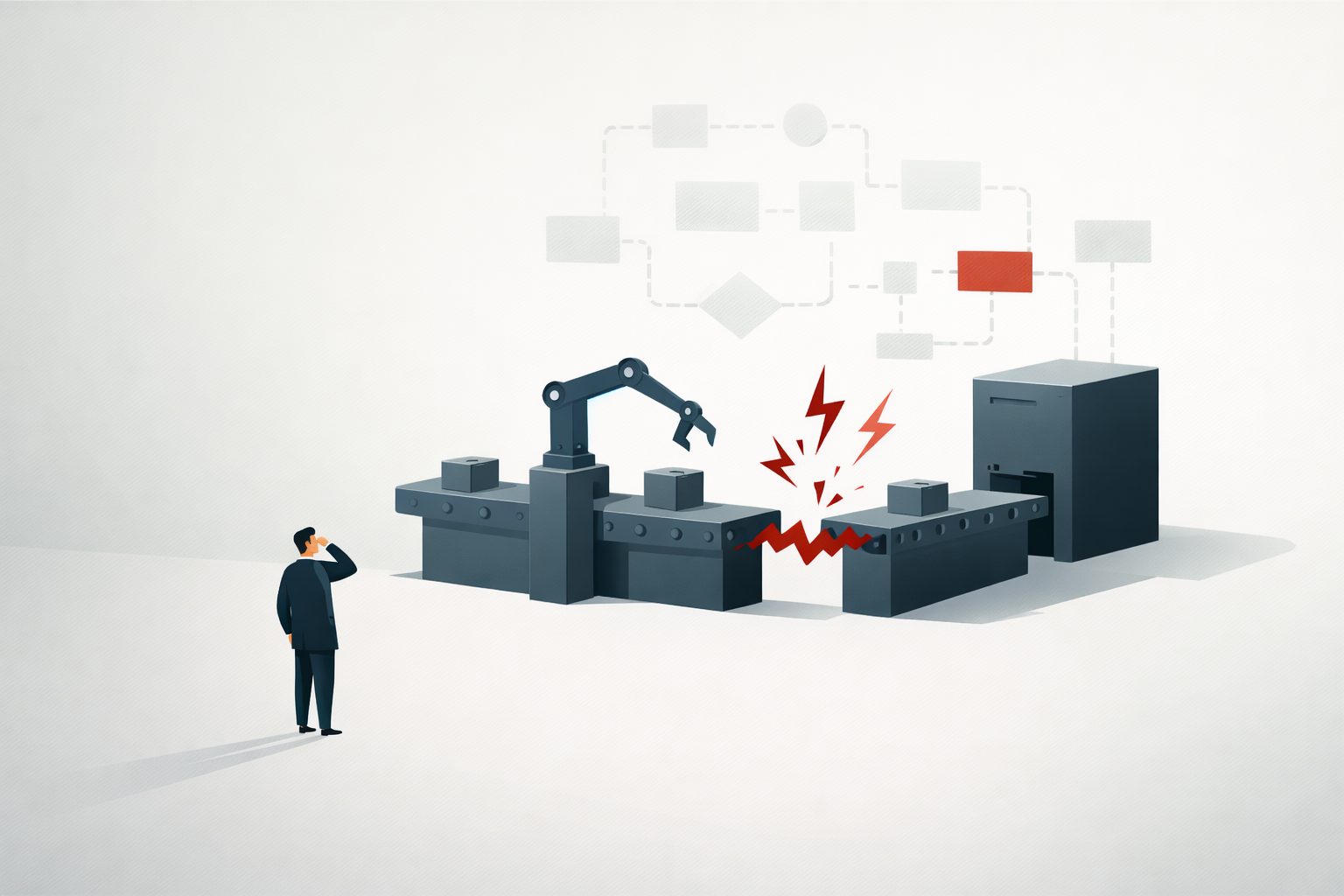
Typical pattern:
More technology is seen as the solution, even though processes, data quality or organisation are the real bottlenecks.
What Aiquiro assesses:
Processes, interfaces, prerequisites, risks and economic viability.
Benefits:
You invest more strategically and avoid projects that look convincing on paper but do not work properly in practice.
The real problem is not a lack of information, but a lack of context. In all cases, the initial assumptions seem plausible at first. It is only through external review that it becomes clear where the market, competition, customer value, implementation or timing need to be reassessed.
Aiquiro Research helps to identify such assumptions at an early stage, before plausible ideas turn into costly misjudgements.
These examples illustrate typical issues encountered in market analysis, competitive analysis, expansion, sales and technology decisions. They demonstrate not only what can go wrong, but above all which questions need to be thoroughly examined in advance.
Let’s have a quick chat to clarify what decision needs to be made and whether external research support would be useful.